

Decoiler
What is Decoiler
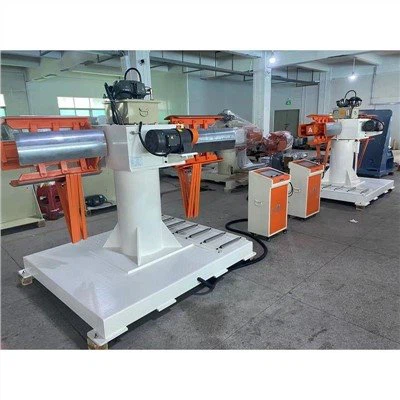
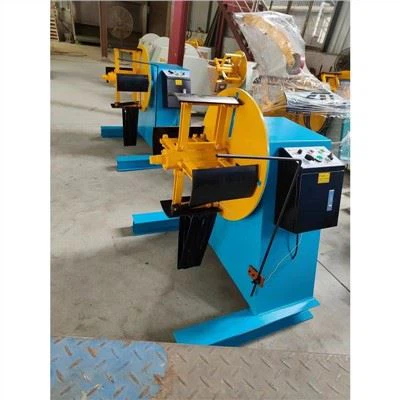
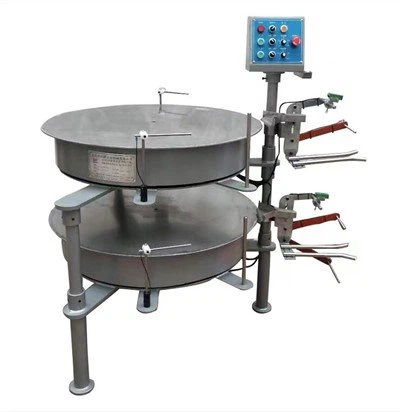
A decoiler is a device that helps to unwind and pay out metal coils or other material such as paper or plastic film. It is used to hold the material while it is being fed into a machine such as a roll former, which will then shape it into a desired product. The decoiler helps to maintain a constantly tight coil during this process, which prevents the material from becoming damaged or deformed. It also allows for a more efficient and accurate feeding of the material into the machine.
Benefits of Decoiler
Improve work efficiency
The decoiler can quickly and automatically unroll packaged materials, greatly improving production efficiency. Compared with manual unwinding, the decoiler can complete the task faster, reducing labor costs and time waste.
Reduce manual operations
The high degree of automation of the decoiler reduces the need for manual operations. Just place the rolled material on the machine, and the decoiler can automatically unroll and transfer the material, reducing the burden on workers and reducing labor intensity.
Improve product quality
The decoiler can unfold the material evenly and flatly, avoiding problems such as unevenness and wrinkles that may be caused by manual operation. This helps improve product quality and appearance, making products more market competitive.
Save materials
The decoiler can effectively utilize the rolled materials and reduce waste. Through precise control and adjustment, the decoiler can minimize material waste and improve resource utilization.
High safety
Decoiler usually have multiple safety protection devices, such as emergency stop buttons, protective covers, etc., to ensure the safety of operators. These safety measures reduce the occurrence of accidents and protect the health of workers.
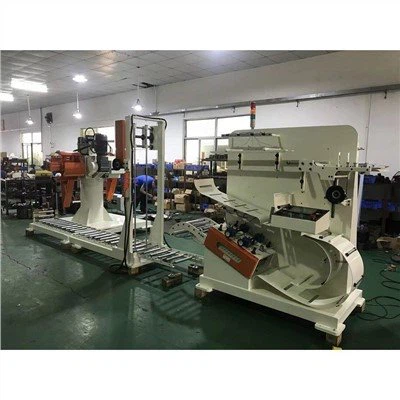
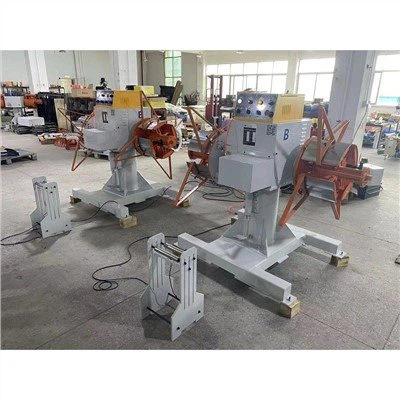
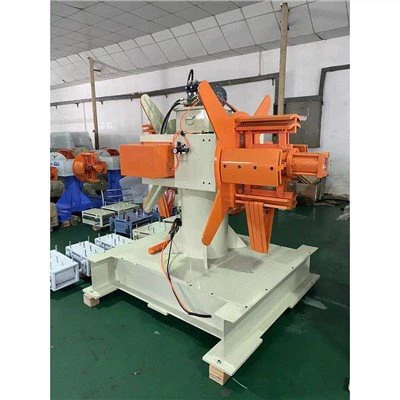
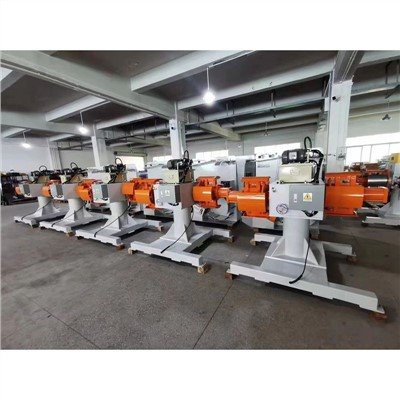

Why Choose Us
Experience
It has served more than 1,000 customers in more than 160 industries, and has practical experience in the research and development, design, production, manufacturing, sales, after-sales and other overall solutions of stamping automation equipment.
Production
The production workshop has advanced production and processing equipment such as CNC high-speed lathes, CNC machining centers, wire cutting, internal and external cylindrical grinders, lathes, milling machines, and boring machines; the R&D department introduces technologies from Japan and Taiwan.
Production equipment
Japan Okuma, Taiwan WELE, Italy Pama, imported grinder, CNC, wire cutting machine, drilling machine
Our team
With the joint efforts of the R&D team with more than 10 years of experience, continuous innovation has accumulated strong technical force.
How Does a Decoiler Work?
A decoiler is a machine that helps to unwind and straighten steel coils. It is used to prepare coils for further processing such as stamping, drawing, or cutting. The steel coils are first loaded onto the decoiler mandrel. The decoiler then uses hydraulic pressure to expand the mandrel and uncoil the steel coil. The tension on the steel coil can be adjusted to ensure that it is unwound smoothly and evenly. Once the steel coil has been unwound, it can be cut to length or fed into another machine for further processing.
What is The Maximum Coil Weight a Decoiler can Handle?
Maximum weight of each coil is 3000 lbs. Width is up to 27 inches / 670mm. Decoiler can be used to uncoil metal, plastic,.
Max coil: Weight 10.000lbs, width 60", ID 24"manual decoiler 60/8 designed to hold and decoil sheet materials from the coils.

Operating Instructions for the Decoiler
1. Turn on the 380V three-phase power supply, start the decoiler, check the actual rotation direction, the material should be fed upwards, and the vertical material should be in the direction of the 24V induction frame. (Of course, we will configure the power conversion for your local usage)
2. According to the thickness of the material and the position of the coil leveler or feeder machine, adjust the distance and position of the decoiler so that the material can smoothly enter the coil leveler or feeder machine. If only the coil feeder machine is used, a certain waiting area should be adjusted according to the feeding length. When the height of the center of the decoiler is basically equal to the working surface of the punch press, the distance from the feeding port of the feeding device is 4 meters to 4.5 meters. When it is too high or too low, appropriately increase the feeding distance and adjust the direction of the discharge.
3. Turn the handle of the decoiler counterclockwise to adjust the diameter of the support plate (smaller than the inner diameter of the material). Load the coil material, turn the handle of the decoiler clockwise, tension the inner circle of the coil material, and then install the baffle plate on the other two material plates. It should be noted that according to the material, the baffle plate cannot clamp the coil material too tightly, and there should be a gap of 2-5mm, otherwise it will affect the discharge. Turn the decoiler handle clockwise to hold the coil material tightly.
4. According to production needs, adjust the height of the 24V induction frame and properly control the length of the discharge.
5. It is inductive control during automatic operation, and the feeding speed can be directly adjusted on the panel. If manual function is required, first select the manual adjustment direction (forward/reverse) on the panel, and then press the jog, and the speed can also be adjusted.
6. If there is an abnormal phenomenon in the feeding of the decoiler, you should press the emergency stop switch immediately, and the press punching machine will also stop at the same time. After recovering from the abnormality, reset the emergency stop switch (turn off) first, and then the press punching machine can be officially started.
How to Choose The Right Decoiler
Load capacity
Decoilers have standard load capacities, but customizations are required for coils exceeding the standard weight. Determine the maximum coil weight the decoiler can handle. ensure it matches or exceeds the weight of the coils you typically use.
Material width and thickness
The material’s thickness plays a crucial role in determining the appropriate decoiler. For materials with a thickness exceeding 2mm, it is advisable to add a pneumatic pressure arm to the decoiler. This arm prevents strip scattering and provides rotational force during the uncoiling process.


Motor and drive type
Consider whether you need a motorized or manual decoiler. motorized decoilers offer higher efficiency and are suitable for heavier coils and continuous production lines.
Control system
Our advanced decoilers can operate independently with a sensor arm that automatically adjusts the coil feeding. They do not require programmable settings and function as standalone devices. Emergency stop circuits are connected to the main machine for safety. These systems can also be integrated into a PLC (programmable logic controller) system for more advanced control and automation.
Types of Decoiler
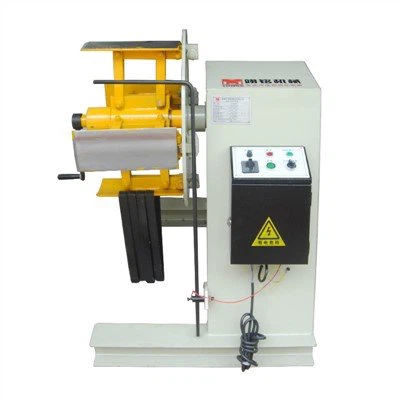
Manual decoilers
Ideal for small-scale operations or when handling lighter coils. They require manual adjustment and continuous and smooth pulling or feeding.
Motorized decoilers
Suitable for larger, heavier coils and continuous production lines. Motorized decoilers are advisable if the roll forming machine frequently stops. These are powered by electric motors and can be integrated with automated systems.
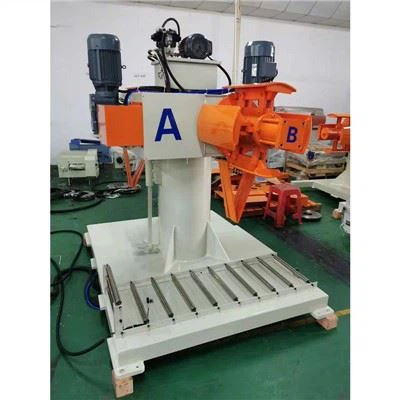
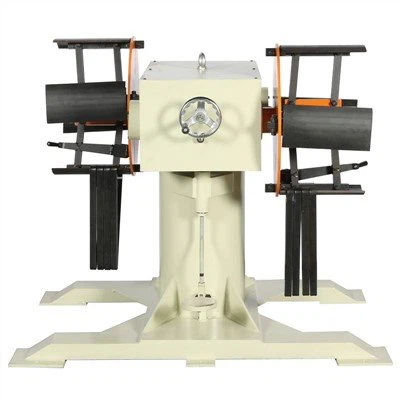
Double-head decoilers
These have two heads to hold two coils, allowing for quick changeovers and reduced downtime. Ideal for high-volume production.
Hydraulic decoiler
Thanks to their different models, they can open coils between 6 tons and 30 tons. In hydraulic decoilers, the process of attaching and removing the roll to the machine can be done very easily. Hydraulic decoilers can easily open coil sheets without breaking.
Application of Decoiler
Electronics manufacturing
Decoilers are used to manage thin metal sheets and strips that are essential in the production of electronic components, including circuit boards, enclosures, and connectors, ensuring precise material handling.
Aerospace industry
Decoilers handle high-strength and lightweight metal alloys used in the aerospace sector, feeding them into precision machining and forming equipment for the production of aircraft parts and assemblies, maintaining stringent quality standards.
Sheet metal processing
Decoilers machines are commonly used in sheet metal processing facilities for tasks such as cutting, bending, and forming. By providing a continuous and controlled feed of material, decoilers ensure consistent quality and reduce waste in the production process.
Construction and infrastructure
The construction and infrastructure sectors rely on decoiler machines to provide metal sheets for a wide range of applications, including roofing, cladding, and structural components. Decoilers ensure a steady supply of high-quality material, helping to maintain tight deadlines and reduce project costs.
Automotive industry
In the automotive industry, decoiler machines are used to supply metal sheets for the production of body panels, chassis components, and other parts. The precision and consistency offered by decoilers are essential for meeting strict quality and safety standards in this highly competitive industry.
Structure of the Decoiler
Body: The body forms the core framework of the decoiler, providing stability and support throughout the operation. Constructed with utmost precision, it ensures seamless functionality and longevity.
Main spindle: The main spindle extends outward from the body, serving as a pivotal component for the decoiling process. It is equipped with a backrest wheel near the body, which prevents material deviation, and a hand crank, installed through a spindle sleeve, for convenient manual control. The hand crank features an anti-slip handle, ensuring a secure grip during operation.
Material support tile: Mounted on four sets of supporting connecting rods, the material support tiles are strategically placed along the side of the main spindle. These tiles play a crucial role in accommodating the material coil. By adjusting the diameter of the material coil, facilitated by the supporting connecting rods, the decoiler can handle various coil sizes. The outer surface of the material support tiles is coated with a wear-resistant and non-slip layer, enabling smooth and secure material handling, even for heavy-duty applications.
Induction control rod: Situated on the outer side wall of the body’s bottom, the induction control rod plays a pivotal role in maintaining precise control during operation. This rod is mounted via an edge plate, ensuring accurate and reliable performance.
A-type iron: An essential component, the A-Type iron is installed diagonally on the inner side of each material support tile. These irons, typically four in number, provide additional support and stability to the material coil, preventing potential slippage or mishaps during the decoiling process.
Electrical control box: Located on the side of the body, the electrical control box serves as the nerve center of the decoiler. Housed within this control box is a motor, responsible for powering the entire system. The electrical control box enables precise equipment control, enhancing the overall efficiency and performance of the decoiler. To minimize vibrations, a rubber shock pad is strategically placed beneath the motor, ensuring smooth and stable operation.
Ensure proper grounding before operation
Before starting the machine, it is essential to check the grounding of the decoiler. Proper grounding not only protects against electrical damage but also ensures the safety of personnel operating the equipment. Verify that the grounding is secure to avoid any potential hazards.
Assess mandrel support tiles and bearing seats
Prior to starting, conduct a thorough inspection of the decoiler’s expansion and contraction mandrel support tiles. Check for any signs of surface wear or damage. Additionally, examine the fastening of related bolts and sliding shafts to ensure they are properly secured. If any damage is detected in the bearing seats, tighten or replace them promptly to maintain optimal performance.
Regularly inspect electrical components
Open the electrical control box and carefully inspect the tightness of all contact points. Loose connections can lead to electrical damage or sudden malfunctions during operation. By addressing any loose connections, you safeguard the functionality of the decoiler and prevent potential disruptions in production.
Proper lubrication for main spindle bearings
At regular intervals, approximately every month or after 260 hours of operation, apply grease to the main spindle bearings of the decoiler. Proper lubrication ensures smooth operation and reduces wear and tear on the bearings. This simple yet effective step significantly contributes to the longevity of the equipment.
Gearbox oil replacement
Every six months or after 1500 hours of operation, it is essential to open the rear housing of the decoiler and replace the gearbox oil. Fill the gearbox oil to half the distance between the wheel axis and the rod. Adequate lubrication of the gearbox ensures efficient performance and prevents unnecessary strain on the equipment.
FAQ
As one of the leading decoiler manufacturers in China, we warmly welcome you to buy high-grade decoiler made in China here from our factory. All our products are with high quality and competitive price.
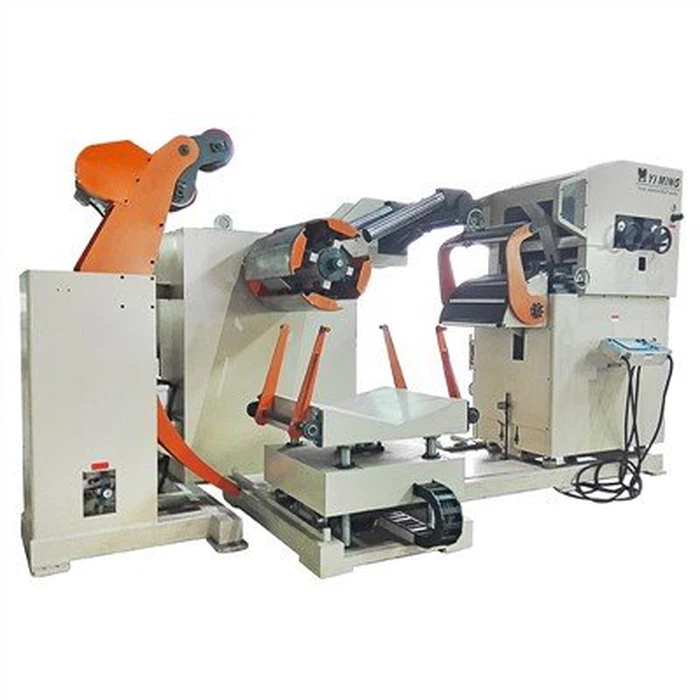
Roller Feeder for C Frame Press, Decoiler Straightener Feeder System, Coil Straightening Machine